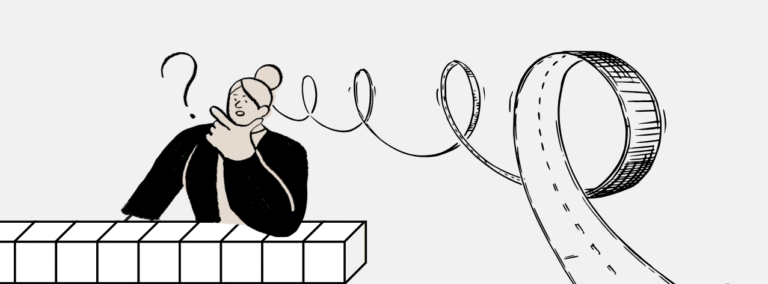
Frameworks are supposed to bring clarity, structure, and predictability. But here is the uncomfortable truth: every framework carries bias. Because every framework was created by someone with a worldview, a culture, a set of experiences, and a moment in time that shaped their thinking.
This doesn’t make frameworks bad. It makes them human.
Below is a deeper look at why bias exists, how to navigate it, and how to build projects with both intention and flexibility.
1. First, why bias?
A framework is never neutral. It reflects the creator’s assumptions about how the world works, what people need, and what “success” looks like. These assumptions shape everything from the steps in the process to the language used.
We tend to trust frameworks as objective maps, when in reality they are informed paths. They work well when the environment matches their original context. They fail when the context changes.
Bias isn’t a flaw; it’s a reminder to treat frameworks as tools, not truth.
2. Someone has thought about this before
The idea of bias in systems isn’t new.
- Daniel Kahneman and Amos Tversky showed how cognitive bias shapes decisions
- Nassim Taleb explored how models oversimplify unpredictable reality
Even widely used frameworks like SWOT, OKRs, or Design Thinking come from biased perspectives shaped by leaders, companies, and eras.
We borrow frameworks that were never designed for our exact team, culture, or moment. And that alone creates misalignment.
3. Be intentional or surrender to the unknown
When working with frameworks, we usually face two paths:
Path 1: Be intentional
Adapt the framework consciously. Use what fits. Drop what doesn’t. Recognize that your context (your team, culture, clients, timing) will reshape the method anyway.
Path 2: Surrender to the unknown
Release the need to control every step. Let the project breathe, evolve, and reveal its own rhythm. This approach embraces uncertainty as part of the creative process.
Neither path is right or wrong. But choosing consciously turns bias into strategy instead of blind constraint.
4. The art of “making a decision”
With so many frameworks out there, decision paralysis is real. So here’s a simple method:
- Write all possible directions
- Select two that have the highest potential
- Analyse them with real constraints and expected outcomes
- Go: choose one and move
This small structure cuts through noise, reduces bias overwhelm, and helps teams take action instead of endlessly debating models.
5. Team Magic
Frameworks give structure, but Team Magic gives life.
Every project becomes richer when people with different backgrounds, personalities, energies, fears, strengths, and creative instincts come together. There is something beautiful about individuals who would never think the same way on their own suddenly generating ideas none of them could have imagined alone.
Team Magic is the moment when diversity becomes intelligence, the silent chemistry between people.
Frameworks are great for setting the stage, but we have to stay open to improvements, adjustments, and the magic that happens when humans collaborate.
6. Conclusion
Frameworks are not perfect. They are mirrors of human imperfection, emotion, and cultural seasonality.
Bias is inevitable. The real skill is learning to recognise it, work with it, and improve continuously.
You don’t need the perfect framework. You need awareness, adaptability, and the willingness to refine your approach as your team, culture, and goals evolve.
Because creation is a living process, not a single moment.